Renewable energy
Renewable energy, including solar, wind, and hydroelectric power, offers a clean and sustainable alternative to fossil fuels. By harnessing the power of nature, we can reduce our carbon footprint, combat climate change, and create a healthier environment for future generations.
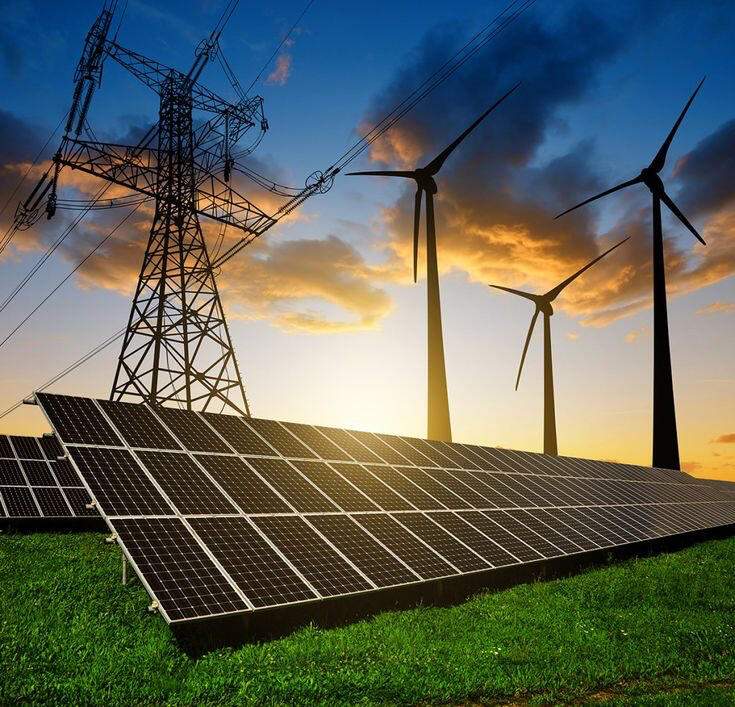
One of the key advantages of renewable energy is its environmental impact. Unlike fossil fuels, which release harmful greenhouse gases into the atmosphere, renewable energy sources produce little to no emissions, helping to improve air quality and protect our planet's delicate ecosystems.
Another benefit of renewable energy is its economic potential. Investing in renewable energy technologies can create jobs, stimulate economic growth, and reduce our dependence on imported fuels. By supporting renewable energy, we can strengthen our economy and build a more resilient energy future.
What is renewable energy?
Energy from renewable natural resources is energy that is produced more quickly than it is used. Examples of such sources that are continuously replenished are sunlight and wind. There are several renewable energy sources available to mankind.However , non-renewable resources such as coal, oil, and gas require hundreds of millions of years to create. When fossil fuels are used to create energy, they release dangerous greenhouse gases like carbon dioxide into the atmosphere.
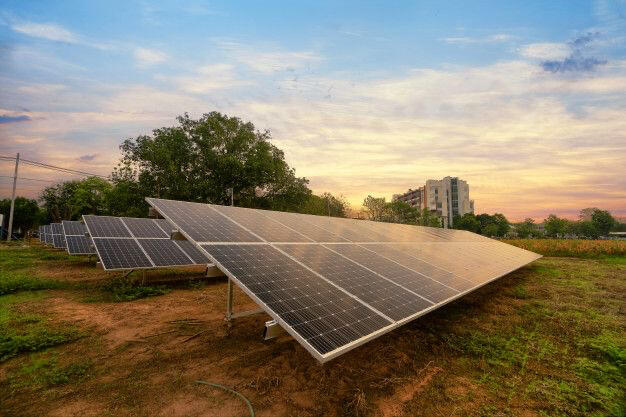
Burning fossil fuels to create electricity has long been a major contributor in the emission of greenhouse gases into our atmosphere, so these renewable sources are considered vital in the race to tackle climate change.
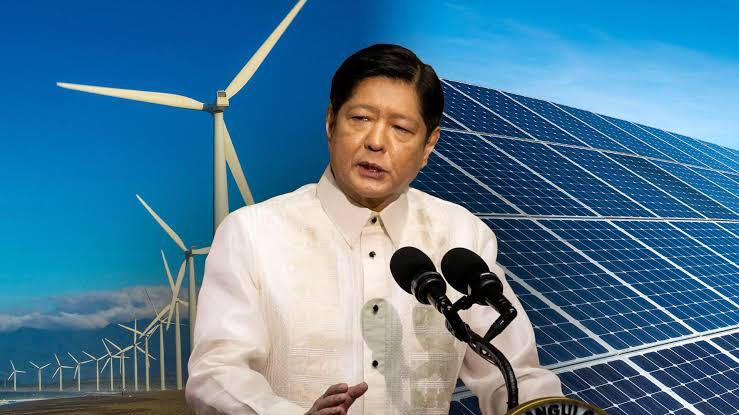
National Renewable Energy Program (NREP)
The core of the Philippine government's sustainable energy plan is the development and best use of the nation's renewable energy resources. The nation's low-emission development plan must include renewable energy since it is critical to tackling the issues of energy access, energy security, and climate change.The policy framework set in Republic Act 9513 is outlined in the National Renewable Energy Program (NREP). It establishes the tactical cornerstones necessary for the nation to meet the objectives outlined in the Renewable Energy Act of 2008. With the NREP, the nation will make a significant transition from dispersed and stalled renewable energy projects to a concentrated and ongoing effort to increase access to clean energy and ensure energy security.
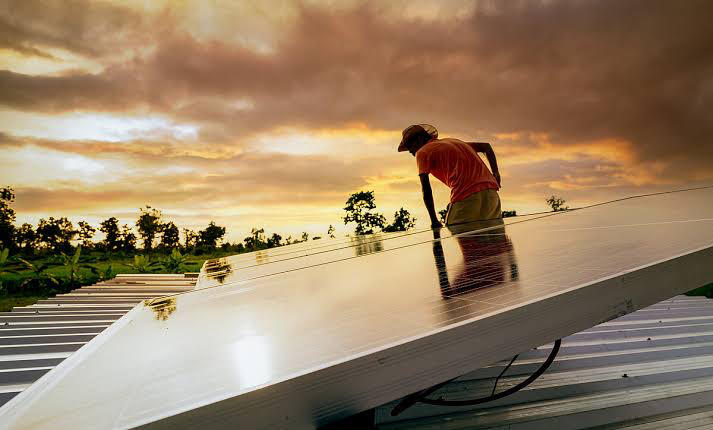
Out of a total demand of 75,266 gigawatt-hours (GWh) in 2013, renewable energy generated 19,903 GWh, or 26.44% of the power produced in the Philippines.[1] The country is a net importer of fossil fuels. There is a push to create renewable energy sources for the purpose of energy security. Hydropower, geothermal power, wind power, solar power, and biomass power are among the possible forms. The Philippine government has enacted several measures aimed at augmenting the nation's utilization of renewable energy sources.The country's objective is to reduce carbon emissions by 75% by 2030 would be aided by the government's plan to increase the share of renewable energy sources to 50% of total power generating capacity, or 15.3 gigawatts (GW), by 2030.